
管理人オススメコンテンツはこちら
「これからの時代を生きる上で大切な事|知らないまま社会に出るのが一番高くつく」
\NISAやるなら/
●前回のおさらい
子どもにお金で苦労させたくないという思いから、多額の資金を贈与する案があるが、それは必ずしも最善ではない。大切なのはお金そのものではなく、「稼ぐ力」「増やす力」「お金と向き合う知識」といった生きる力を身につけさせることだ。
過度な資金提供は自立心を弱める可能性もある。そのための具体策として、子どもが幼いうちに全世界株式(オルカン)へ100万円を投資し、長期で運用する方法が提案されている。時間を味方につけることで資産形成の可能性を示しつつ、金融教育にもつながる。
重要なのは、大金を与えることではなく、将来にわたって自立して生きる力を育てることである。
●お金に困る理由と、これからの日本
日本の金融教育の現状
「なぜ多くの人がお金に悩むのか?」
その理由の一つは
とてもシンプルです。
私たちはこれまで
お金について学ぶ機会が
十分ではなかったから。
今の日本では
お金に関する知識や価値観は
学校教育だけではなく
家庭環境や親の考え方にも
大きく影響されます。
つまり子どもの金融知識は
少なからず親や家庭の影響を
受けやすいということです。
考えてみてください。
私たちはこれまで学校で
・国語
・算数
・理科
・社会
・音楽
・体育
さまざまな教科を
長い時間かけて学んできました。
では
お金については
どうでしょうか?
・貯金
・税金
・家計管理
・資産形成
・お金との向き合い方
など
人生に深く関わるテーマを
学校で体系的に学んだ記憶がある人は
まだ多くないのではないでしょうか。
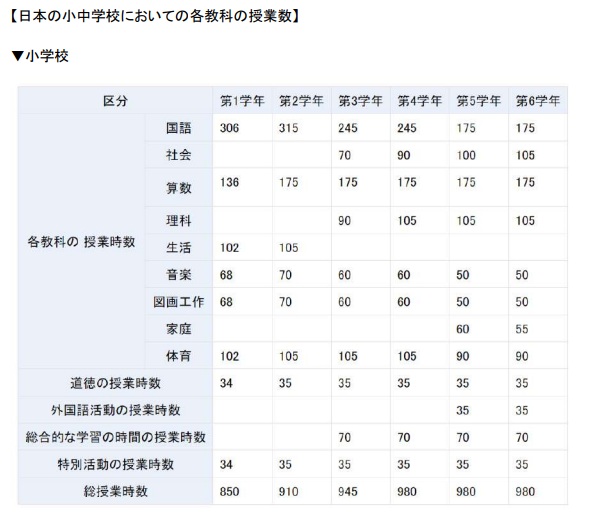
(出典:https://www.keguanjp.com/kgjp_jiaoyu/imgs/2021/06/20210617_3_01.pdf)
実際学習指導要領では
多くの時間が
各教科に割り当てられています。
例えば
小学校1年生の国語は
306コマ。
1コマ45分として
年間およそ230時間です。
小学校6年間では
全教科を合わせて
約4,200時間もの
学習時間になるとも
言われています。
日本の金融リテラシーの特徴と課題
一方で
金融教育については
長い間
十分な学習機会があるとは
言えない状況でした。
近年では高校家庭科などで
金融教育が取り入れられ始めていますが
実生活に直結するお金の知識を
十分に学べたと感じる人は
まだ少ないかもしれません。
だからこそ
多くの人がお金に悩むのは
ある意味自然なことでもあります。
もし私たちが
国語を学ばなければ
文字は読めません。
算数を習わなければ
計算も難しいですよね。
それと同じように
お金について学ぶ機会が少なければ
お金の扱いに戸惑うのも当然なのです。
この現実を理解しておかないと
次の世代もまた
お金を十分に学ばないまま
社会に出るという流れを
繰り返してしまうかもしれません。
私自身起業してから
お金に関する失敗や苦労を
経験してきました。
そのたびに感じたのは
「もっと早く、お金について学ぶ機会があれば…」
ということです。
もちろん
過去は変えられません。
でも
今から学ぶことはできます。
だからこそお金に困る理由を
単なる自己責任だけで
考えるのではなく
これまで
学ぶ機会が限られていたという
背景を知ること。
そして
自分自身でお金について
学び直していくことが
これからの時代を生きる上で
大切な事なのではないでしょうか。
〜〜〜つづく〜〜〜
Special Thanks college president Ryo.
▼無料で口座を作る
●おまけ
≪≪perplexityちゃんによる文章まとめ≫≫
多くの人がお金に悩む理由の一つは、これまで十分に金融教育を受けてこなかった点にあります。
日本では国語や算数などの教科には多くの時間が割かれてきた一方で、貯金や税金、資産形成といった生活に直結するお金の知識は体系的に学ぶ機会が限られてきました。そのため、金融リテラシーは家庭環境や親の価値観に大きく左右されやすい状況にあります。
近年は学校でも金融教育が導入され始めていますが、実生活で十分に活かせるレベルにはまだ達していないのが現状です。こうした背景を踏まえると、お金に困ることは単なる自己責任ではなく、学習機会の不足という構造的な問題とも言えます。
だからこそ、これからは自ら学び直し、お金との向き合い方を身につけることが重要です。
Citations:
[1]https://www.smbc-cf.com/mamechishiki/column/basic/004.html
[2]https://ifrc.or.jp/financial-education-gap/
[3]https://okane-kyoiku.com/financial-sense-by-parent/
[4]https://www.smbc-cf.com/mamechishiki/column/basic/002.html
[5]https://catalog.monex.co.jp/article/?p=22850
≪≪Chat-GPTくんによる英訳≫≫
【Recap from the Previous Article】
Many parents consider leaving a large amount of money to their children because they do not want them to struggle financially. However, this is not necessarily the best solution.
What truly matters is not the money itself, but helping children develop essential life skills such as the ability to earn, grow wealth, and understand how to manage and relate to money.
Providing excessive financial support may even weaken a child’s sense of independence. As one practical approach, investing ¥1 million in a global stock index fund (All Country World Index / “Orukan”) while the child is still young and holding it for the long term has been proposed.
By allowing time to work in their favor, this strategy not only demonstrates the potential of long-term wealth building but also creates an opportunity for financial education.
The key is not simply giving children a large sum of money, but helping them build the ability to live independently and confidently throughout their lives.
【Why People Struggle with Money and Japan’s Future】
~The Current State of Financial Education in Japan~
Why do so many people struggle with money?
One of the reasons is surprisingly simple.
For a long time, we have not had enough opportunities to learn about money.
In Japan today, financial knowledge and values are shaped not only by school education but also heavily influenced by family environments and parental attitudes.
In other words, a child’s financial literacy is often significantly affected by their parents and home environment.
Think about it.
Throughout our school years, we spent countless hours studying subjects such as:
Japanese language
Mathematics
Science
Social studies
Music
Physical education
We devoted years of our lives to learning these subjects.
But what about money?
How many of us systematically learned about:
Saving
Taxes
Household budgeting
Wealth building
How to understand and manage money
These are topics deeply connected to everyday life, yet many people may not remember learning them in a structured way at school.
(Source: https://www.keguanjp.com/kgjp_jiaoyu/imgs/2021/06/20210617_3_01.pdf)
In fact, Japan’s national curriculum allocates significant time to academic subjects.
For example, first-grade Japanese language classes consist of 306 lessons.
At 45 minutes per class, that amounts to approximately 230 hours per year.
Across six years of elementary school, students are said to spend roughly 4,200 hours studying various subjects.
~Characteristics and Challenges of Financial Literacy in Japan~
Meanwhile, financial education historically received limited attention and opportunities for learning were often insufficient.
In recent years, financial literacy education has begun to be introduced in areas such as high school home economics classes. However, many people may still feel they have not received enough practical financial knowledge directly applicable to real life.
This is precisely why financial struggles are, in some ways, understandable.
If we never learned language, we would not be able to read.
If we never studied mathematics, calculations would be difficult.
Money works the same way.
When people have few opportunities to learn about money, it is only natural that they struggle with managing it.
Unless we recognize this reality, future generations may continue repeating the same cycle—entering adulthood without fully understanding money.
Since becoming an entrepreneur, I have personally experienced financial mistakes and hardships.
And each time, I found myself thinking:
“If only I had learned about money earlier…”
Of course, we cannot change the past.
But we can choose to learn from this moment forward.
That is why financial hardship should not be viewed solely as a matter of personal responsibility.
It is equally important to understand the broader background—that opportunities to learn about money have long been limited.
And perhaps one of the most important skills for the future is the willingness to educate ourselves and continue learning about money.
Special Thanks OpenAI and Perplexity AI, Inc