管理人オススメコンテンツはこちら
「経済的自立の切符は必ず手に入ります|老後を壊すのは高収入という油断」
\NISAやるなら/
●前回のおさらい
企業年金には見落とされがちなリスクがある。まず、終身でもらえるとは限らず、多くは5年や10年といった有期年金である点だ。
例えば月12万円程度でも支給期間が終われば収入は途絶えるため、その後の生活資金は別途準備が必要になる。一見余裕のある老後に見えても、実際には長寿化に対応できない可能性がある。
さらに、企業年金は将来減額されるリスクもある。JALや東京電力のように経営悪化により約3割カットされた事例もあり、退職後でも影響を受ける。
つまり企業年金は絶対に守られるものではなく、企業の経営状況に左右される不確実な制度である点を理解しておく必要がある。
●まとめ
高収入=将来安泰ではない
「たくさん稼いでいるから老後も安心」
そう考えている人は
少なくありません。
しかし現実は
それほど単純ではありません。
稼ぐ力だけで将来が絶対安泰
という事はあり得ません。
生例えば
生涯賃金ランキング上位企業に勤め
・生涯賃金4億円
・現役時代の平均年収1,000万円
というエリート会社員だったとしても
公的年金は月額23万円程度が目安です。
額面年収にして約280万円。
さらにここから
・税金
・社会保険料
なとが引かれます。
手取りベースで考えると
20代半ばの会社員の平均年収と
大きく変わらない水準になることもあります。
40年エリート暮らしをしてきて
この金額ですよ。
どうでしょう?
やっていけますか?
月に23万円でそこから
・税金
・社会保険料
が引かれてしまう。
「企業年金があるから大丈夫」の落とし穴
「うちは企業年金があるから問題ない」
と思うかもしれませんけど
落とし穴も有るんですね。
落とし穴(1)退職金総額が減り続けている
退職金の支給総額は
この20年ほどで
約1,000万円減少したとも言われています。
かつての常識が
これからも続くとは限りません。
落とし穴(2)終身年金ではない
企業年金の多くは
有期年金がベースです。
全てが終身年金ではないんですね。
一生涯受け取れる仕組みではなく
一定期間で支給が終了するケースも
少なくありません。
平均寿命まで
もつ設計ではないという事です。
落とし穴(3)減額があり得る
変化の激しい現代では
超一流企業であっても
安泰とは言い切れません。
・JAL
・東京電力
のような超一流企業でさえ
年金カットを行なっています。
絶対安泰という事はあり得ない
という事です。
本当に大切なのは「お金にまつわる5つの力」
たとえ高収入で
・企業年金がある
・退職金も充実している
という恵まれた環境にいても
それだけでは十分ではありません。
大切なのは
お金にまつわる5つの力を
バランスよく育てることです。
・貯める力
・稼ぐ力
・増やす力
・守る力
・使う力
この5つの力のバランスが悪いと
『貧乏谷(びんぼうだに)』
に滑落していってしまいます。
せっかく経済的に有利な立場にいるのに
自ら薄氷の上を歩くような選択を
する必要はありません。
人生には必ず
想定外の出来事が起こります。
病気、転職、介護、物価上昇、制度変更――。
たった一つの出来事で
人生設計が大きく狂うこともあるのです。
お金を使い切る人生も、一つの価値観
状況を理解した上で
稼いだら稼いだ分だけ使うというのであれば
それはもう全く否定しません。
「宵越しの金は持たねー!!」
「稼いだ分使い切る!」
という価値観でも
それはその人の価値観です。
でも一つ何か想定外の事が起きた時に
苦しくなってしまう。
お金の使い方は否定しませんが
もし
「公的年金が年間500万円もらえそう」
→誤解
「ウチの会社は一生安泰だ!」
→油断
この状態がずっと続くんだという前提で
全部お金を使い切るのであれば
是非今回をきっかけに
見直してみてほしいと思います。
まずは収入の10%を貯蓄する習慣から
経済的な自由への第一歩は
とてもシンプルです。
それは
『収入の10%を先に貯蓄すること』
です。
この習慣を手に入れたら
経済的自立の切符は必ず手に入ります。

↑こちらもご参照ください。
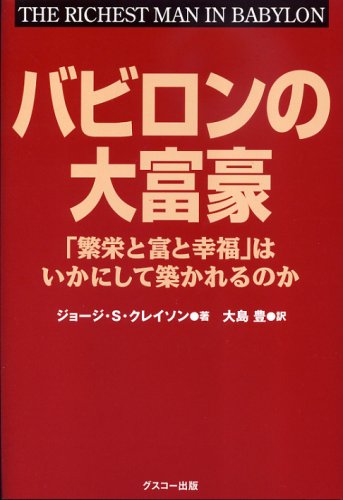
(出典:楽天)
90年以上読み継がれている名著
『バビロン大富豪』でも
語られている考え方ですね。
10%貯金出来るようになったら
大分バランス良くなると思います。
今日が人生で一番若い日です。
今回ご紹介した
制度の仕組みを理解すると
・今の収入が高い人も
・そうでない人も
将来に向けて準備することの大切さが
見えてきます。
お金にまつわる5つの力を育てれば
誰でも経済的に安定して
自由な暮らしが出来るようになります。
これはいつも言ってますよね?
これからもしっかり学んで行動して
自由への道を道を歩んでいきましょう。
Special Thanks college president Ryo.
\NISAやるなら/
●おまけ
≪≪perplexityちゃんによる文章まとめ≫≫
高収入であっても将来が安泰とは限りません。
たとえ生涯年収が高い企業に勤めていても、老後の公的年金は月23万円程度にとどまり、税金や社会保険料を差し引くと現役時代とのギャップは大きくなります。さらに企業年金や退職金も減少や有期支給、減額のリスクがあり、安定とは言い切れません。
重要なのは収入の多さではなく、「貯める・稼ぐ・増やす・守る・使う」という5つの力をバランスよく育てることです。予期せぬ出来事に備え、まずは収入の10%を貯蓄する習慣が経済的自立への第一歩となります。
Citations:
[1]https://limo.media/articles/-/122868
[2]https://datazoo.jp/n/新年度の公的年金+支給額/24605190
[3]https://www.resonabank.co.jp/kojin/column/taishoku_unyo/column_0002.html?gaParam=typeC
[4]https://tenshoku.mynavi.jp/knowhow/taishoku/22/
[5]https://limo.media/articles/-/106247
≪≪Chat-GPTくんによる英訳≫≫
【Recap of the Previous Article】
Corporate pensions come with risks that are often overlooked.
First, they are not always paid for life. In many cases, they are fixed-term pensions that last only 5 or 10 years.
For example, even if you receive around ¥120,000 per month, that income stops once the payment period ends. After that, you must rely on other sources of retirement savings to support your lifestyle.
What may appear to be a comfortable retirement at first glance may not actually be sufficient in an era of increasing life expectancy.
In addition, corporate pensions can be reduced in the future.
There have been cases where companies such as JAL and Tokyo Electric Power Company (TEPCO) cut pension benefits by roughly 30% due to financial difficulties, affecting retirees as well.
In other words, corporate pensions are not guaranteed forever. It is important to understand that they are subject to the financial health of the sponsoring company and therefore involve uncertainty.
【Summary】
~High Income Does Not Equal Financial Security~
Many people believe:
“I earn a lot of money, so my retirement will be secure.”
However, reality is not that simple.
No matter how strong your earning power is, there is no such thing as guaranteed financial security for the future.
For example, imagine an elite employee who works for a company ranked among the highest in lifetime earnings:
- Lifetime earnings: ¥400 million
- Average annual salary during working years: ¥10 million
Even in this case, the expected public pension benefit may only be around ¥230,000 per month.
That is approximately ¥2.8 million per year before taxes.
And from that amount, the following will still be deducted:
- Taxes
- Social insurance premiums
On an after-tax basis, the disposable income may not be very different from the average salary of a worker in their mid-twenties.
After spending 40 years living as a highly paid professional, this is the reality.
What do you think?
Could you comfortably live on that amount?
¥230,000 per month may sound reasonable at first, but once taxes and social insurance premiums are deducted, the picture changes significantly.
~The Hidden Pitfalls of Corporate Pensions~
You may think:
“Our company offers a corporate pension plan, so we’ll be fine.”
But there are several important pitfalls to consider.
▶Pitfall #1: Retirement Benefits Have Been Shrinking
The total amount of retirement benefits paid by companies has reportedly declined by approximately ¥10 million over the past two decades.
What was once considered standard practice may not continue indefinitely.
▶Pitfall #2: Most Corporate Pensions Are Not Lifetime Pensions
Many corporate pension plans are based on fixed-term payments.
They are not always designed to provide income for life.
In many cases, benefits stop after a predetermined period.
This means they may not be structured to support retirees throughout their entire lifespan.
▶Pitfall #3: Benefits Can Be Reduced
In today’s rapidly changing business environment, even the largest and most respected corporations are not immune to financial challenges.
Companies such as:
- JAL
- TEPCO
have reduced pension benefits despite being major industry leaders.
The reality is simple:
There is no such thing as absolute financial security.
~The Five Essential Money Skills~
Even if you are fortunate enough to have:
- A high income
- A corporate pension plan
- A generous retirement package
that alone is not enough.
What truly matters is developing a balanced set of five financial skills:
- The ability to save
- The ability to earn
- The ability to grow wealth
- The ability to protect wealth
- The ability to spend wisely
If these five skills are out of balance, you may find yourself sliding into what we call the “Valley of Poverty.”
There is no reason to walk on thin ice when you already have a favorable financial position.
Unexpected events will inevitably occur throughout life:
- Illness
- Career changes
- Long-term care responsibilities
- Inflation
- Policy changes
Just one unexpected event can dramatically alter your financial plans.
~Spending Everything You Earn Is Also a Choice~
If you fully understand the risks and still choose to spend everything you earn, that is your decision.
I am not here to criticize that lifestyle.
Some people live by the philosophy:
“You only live once.”
“Spend every dollar you make.”
That is a valid personal choice.
However, when unexpected events occur, that lifestyle can become difficult to sustain.
I am not criticizing how people spend their money.
But if your spending habits are based on assumptions such as:
“I’ll probably receive ¥5 million per year from public pensions.”
→ Misunderstanding
“My company will always be secure.”
→ Complacency
then I encourage you to reconsider.
If you are spending every dollar under the assumption that these conditions will remain unchanged forever, now may be the perfect time to revisit your financial plan.
~Start by Saving 10% of Your Income~
The first step toward financial freedom is surprisingly simple:
Pay yourself first by saving 10% of your income.
Once you develop this habit, you are well on your way toward financial independence.
For additional reading:
This principle is also featured in the classic personal finance book “The Richest Man in Babylon,” which has remained influential for more than 90 years.
Once saving 10% becomes second nature, the balance among the five money skills improves dramatically.
~Today Is the Youngest You’ll Ever Be~
By understanding how these systems work, both:
- High-income earners
- Average-income earners
can better appreciate the importance of preparing for the future.
If you develop the five essential money skills, anyone can move toward greater financial stability and freedom.
As I often say:
Today is the youngest you’ll ever be.
Keep learning.
Keep taking action.
And continue walking the path toward financial freedom.
Special Thanks OpenAI and Perplexity AI, Inc