
管理人オススメコンテンツはこちら
「時間ではかる|本当の富を測る残酷なモノサシ~あなたは働かずに何年生きられますか?」
\NISAやるなら/
●前回のおさらい
辞書によれば、裕福とは「財産や収入が豊かで生活に余裕があること」です。
1つ目の指標は「資産額」で、野村総合研究所の「金持ちピラミッド」が例示されています。純金融資産保有額により、超富裕層(5億円以上)、富裕層(1〜5億円)、準富裕層(5,000万〜1億円:多くの人が到達可能な「小金持ち」目標)、アッパーマス層(3,000万〜5,000万円)、マス層(3,000万円未満)に分類されます。
2つ目の指標は「年収」です。厚生労働省の2025年調査では、2024年の世帯平均所得は575万2千円(過去最高の伸び)、中央値451万円ですが、生活が「苦しい」と答えた世帯は55.4%に上ります。国の豊かさを測る1人あたりGNI(2024年)では、日本は46位(約520万円)で、アメリカ(約1,270万円)やスイス(約1,540万円)と差があります。
資産額と年収はメジャーな指標ですが、これらだけで裕福さを判断することの限界が示唆されています。
●資産と年収で裕福さをはかる弱点
前回は、
裕福さをはかる2つのモノサシを
紹介しました。
- 資産額 … いくら持っているか
- 年収 … いくら稼いでいるか
どちらも間違いではありません。
ただこの2つだけで測ろうとすると
必ずおかしなことが起きます。
今回はその「弱点」を確認したうえで
3つ目のモノサシをお伝えします。
弱点① 資産があるのに、不安で仕方ない人たち
まず『資産額』という
モノサシから。
たとえば
こんなケースです。
「遺産で1億円が入って、嫌だった仕事を辞めた。 最初は快適だった。でも今は不安で仕方ない。 残りは8,000万円。あとは減っていくだけだから」
もうひとつ。
「ビジネスを当てて3億円の資産を築いた。 でも生活費に年1億円使っている。 もしビジネスが傾いたら、この生活はあと3年で終わる」
どちらも金額だけ見れば
まぎれもない『お金持ち』です。
それでも
裕福さを感じていない。
こういう人私のまわりには
実際にたくさんいます。
資産50億円を持ちながら
「不安でしょうがない・・・」
と言っていた人もいました。
誰がどう見ても
お金持ちなのにですよ。
弱点② 年収1,000万円でも、余裕がない人たち
『年収』という
モノサシも同じです。
年収1,000万円を稼ぐエリート。
でも実態はというと——
- 毎日遅くまで残業
- 休日出勤や出張もしょっちゅう
- 常にプレッシャーのかかる仕事
時間がないから
お金を使う余裕もない。
稼いだお金を味わう
タイミングそのものが
生活の中に存在しないわけです。
これで
「私は裕福だ!」
と感じられる人は
そう多くないでしょう。
●3つ目のモノサシ
モノサシ3: 時間ではかる
そこで登場するのが
3つ目のモノサシ。
『時間ではかる』という
考え方です。
計算式はとてもシンプルです。
裕福度 = 保有資産額 ÷ 年間生活費
たとえば
・貯金1,000万円
・年間生活費400万円
の人なら——
1,000万円 ÷ 400万円 = 2.5
この人の裕福度は
2.5年(30ヶ月)です。
つまり
30ヶ月の時間を持っている
という事です。
働かなくても
今の生活を30ヶ月続けられる。
その『時間』こそが
その人の持っている本当の豊かさだという
考え方です。
この数字が大きいほど裕福。
とてもシンプルですよね。
なぜこのモノサシは優秀なのか
先ほどの2つのケースを
この式で測り直してみてください。
・資産8,000万円で生活費が年400万円なら → 20年
・資産3億円で生活費が年1億円なら → 3年
金額では3億円の人が圧勝です。
ところが時間で測ると
8,000万円の人のほうが
6倍以上『裕福』になる。
不安の正体が
ここではっきり見えてきます。
彼らが恐れていたのは
金額の少なさではなく
残り時間の短さだったわけです。
年収1,000万円のエリートも同じこと。
稼ぎは大きくても
貯まっていなければ時間は増えません。
この考え方の出どころ
(出典:楽天)
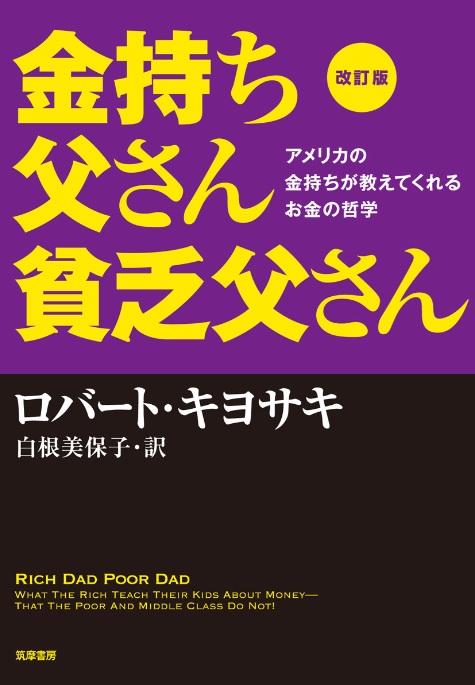
この発想を日本に広めたのは
おそらく『金持ち父さん貧乏父さん』の
ロバート・キヨサキ氏でしょう。
(出典:楽天)
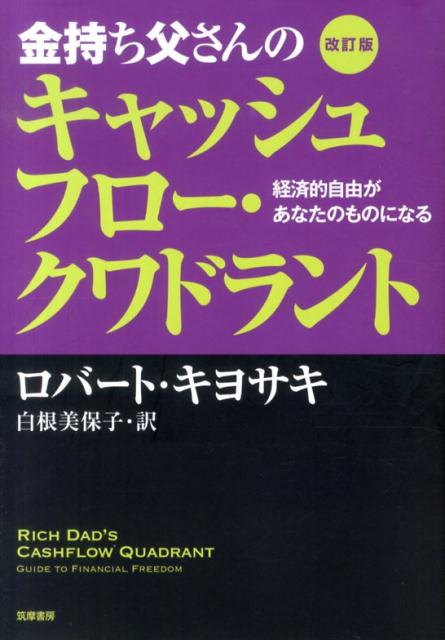
彼は著書
こう言っています。
裕福さとは
「自分が働かなくても
今の生活水準を何日維持できるか」
で測れるものだと述べています。
つまりキヨサキ氏にとって
年収は裕福さのモノサシになりません。
基準はあくまで
働かずに望む生活を
維持できる日数なのです。
●あなたの裕福度は何年ですか?
ぜひ一度
ご自身の数字で計算してみてください。
保有資産額 ÷ 年間生活費 = ?
出た数字が想像より小さくても
落ち込む必要はありません。
この式には
分子を増やす(資産を積む)だけでなく
分母を減らす(生活費を下げる)という
2つの攻め方があるからです。
年収を上げるより
こちらのほうがずっと現実的で
しかも今日から手をつけられます。
〜〜〜つづく〜〜〜
Special Thanks college president Ryo.
 管理人_じっちょ
老後のために、まず投資口座を開いておきましょう。
無料・5分で完了です→【公式】楽天証券
●おまけ
≪≪perplexityちゃんによる文章まとめ≫≫
資産額や年収だけでは、本当の裕福さは測れません。資産が多くても生活費が大きければ不安は消えず、年収が高くても忙しすぎてお金を使う余裕がなければ豊かさを感じにくいからです。
そこで重要なのが「働かなくても今の生活を何年続けられるか」という視点です。裕福度は「保有資産額÷年間生活費」で表せます。たとえば資産1,000万円・生活費400万円なら2.5年分です。
この考え方なら、資産を増やすだけでなく、生活費を下げることでも裕福度を高められます。
Citations:
[1]https://media.rakuten-sec.net/articles/-/30366?page=3
[2]https://money-memoranmdoms.hatenablog.com/entry/2024/03/10/010022
[3]https://note.com/y_t7399/n/naffff8a283ee
[4]https://diamond.jp/articles/-/387063
[5]https://note.com/sumida_world/n/nc6eb0aaf6eca
≪≪Chat-GPTくんによる英訳≫≫
【A Review of the Previous Article】
According to the dictionary, being wealthy means “having abundant assets or income and enough financial room to live comfortably.”
The first indicator is the amount of assets you own. A well-known example is the “Wealth Pyramid” published by Nomura Research Institute (NRI). Based on net financial assets, people are classified into five categories:
- Ultra-high-net-worth individuals: ¥500 million or more
- High-net-worth individuals: ¥100 million to ¥500 million
- Affluent individuals: ¥50 million to ¥100 million
— a realistic “small fortune” target that many people can potentially reach - Upper-middle mass: ¥30 million to ¥50 million
- Mass market: Less than ¥30 million
The second indicator is annual income. According to a 2025 survey by Japan’s Ministry of Health, Labour and Welfare, the average annual household income in 2024 was ¥5.752 million, representing the highest increase on record. The median was ¥4.51 million. However, as many as 55.4% of households said they were struggling financially.
Looking at GNI per capita, another indicator of a country’s overall wealth, Japan ranked 46th in 2024, at approximately ¥5.2 million, significantly below the United States at around ¥12.7 million and Switzerland at around ¥15.4 million.
Asset levels and annual income are both major indicators of wealth. However, these figures alone have clear limitations when it comes to determining how wealthy someone actually feels.
【The Weaknesses of Measuring Wealth by Assets and Income】
In the previous article,
I introduced two ways of measuring wealth:
Assets — How much you own
Annual income — How much you earn
Neither measure is wrong.
However, if we try to measure wealth using only these two indicators,
we inevitably run into some strange situations.
This time, after looking at those weaknesses, I will introduce a third measure.
~Weakness #1: People Who Have Plenty of Assets but Are Constantly Worried~
First, let’s look at the measure of assets.
Consider this example:
“I inherited ¥100 million and quit the job I hated. At first, life was great. But now I’m constantly anxious. I have ¥80 million left. From here on, it’s only going to decrease.”
Here’s another example:
“I built up ¥300 million in assets after making a successful business. But I spend ¥100 million a year on living expenses. If my business goes downhill, this lifestyle will be over in just three years.”
If you look only at the numbers,
both people are unquestionably rich.
And yet,
they don’t feel wealthy.
In fact, I know many people around me who are like this.
I have even met someone with ¥5 billion in assets who said,
“I’m so anxious I can hardly stand it…”
And this was someone who, by anyone’s standards, was clearly wealthy.
~Weakness #2: People Who Earn ¥10 Million a Year but Have No Financial Breathing Room~
The same thing applies to annual income.
Imagine an elite professional earning ¥10 million a year.
But what is their actual life like?
- Working overtime until late every night
- Frequently working on weekends and going on business trips
- Constantly dealing with a high-pressure job
Because they have no time,
they don’t even have much opportunity to enjoy spending the money they earn.
There simply isn’t any time in their lives when they can actually enjoy the fruits of their income.
How many people could genuinely say,
“I am wealthy!”
under those circumstances?
Probably not very many.
【The Third Measure of Wealth】
~Measure #3: Measure Wealth in Time~
This brings us to the third measure:
the idea of measuring wealth in terms of time.
The calculation is very simple:
Wealth = Assets Owned ÷ Annual Living Expenses
For example,
- Savings: ¥10 million
- Annual living expenses: ¥4 million
Then:
¥10 million ÷ ¥4 million = 2.5
This person’s wealth is therefore
2.5 years, or 30 months.
In other words,
they have 30 months of time.
Even without working,
they could maintain their current lifestyle for 30 months.
The idea is that this time is the person’s true wealth.
The larger the number,
the wealthier the person is.
Very simple, isn’t it?
~Why Is This Measure So Useful?~
Let’s go back and measure the two examples above using this formula.
- ¥80 million in assets with annual living expenses of ¥4 million → 20 years
- ¥300 million in assets with annual living expenses of ¥100 million → 3 years
In terms of money,
the person with ¥300 million wins by a huge margin.
But when measured in time,
the person with ¥80 million is more than six times “wealthier.”
This makes the true nature of their anxiety much clearer.
What they were afraid of
wasn’t the amount of money they had.
It was how little time they had left.
The same applies to the high-income professional earning ¥10 million a year.
Even if their income is high,
if they aren’t accumulating assets,
their wealth in terms of time doesn’t increase.
~Where Did This Idea Come From?~
(Source: Rakuten)
The person who probably helped popularize this idea in Japan is Robert Kiyosaki, author of Rich Dad Poor Dad.
(Source: Rakuten)
In his book Rich Dad’s CASHFLOW Quadrant,
he explains that wealth can be measured by:
“How many days you can maintain your current standard of living without working.”
In other words, for Kiyosaki,
annual income is not a measure of wealth.
The real standard is
how many days you can maintain the lifestyle you want without having to work.
【How Many Years of Wealth Do You Have?】
Why not calculate your own number?
Assets Owned ÷ Annual Living Expenses = ?
Even if the number you get is smaller than you expected,
there’s no need to feel discouraged.
That’s because this formula gives you two ways to improve your position:
Increase the numerator
→ Build up your assets
Decrease the denominator
→ Reduce your living expenses
Compared with simply trying to increase your annual income,
this approach is much more realistic.
And, more importantly,
you can start working on it today.
Special Thanks OpenAI and Perplexity AI, Inc