
管理人オススメコンテンツはこちら
「経済的に成功するためのマインド|動けない人ほど静かに沈んでいく」
\NISAやるなら/
今日は【総論】
子供でも楽しめる!
金持ちになりたい人が絶対に聞くべき小話
「難破船と3人の乗客」
というお話をします。
●なぜユダヤ人には成功者が多いのか? 〜答えはタルムードにあった〜
突然ですが
この5人の共通点わかりますか?
1.スティーブン・スピルバーグ(映画監督)
2.ラリー・ペイジ(Google創業者)
3.マーク・ザッカーバーグ(Facebook創業者)
4.ポール・クルーグマン(ノーベル経済学賞受賞の経済学者)
5.ジョージ・ソロス(世界3大投資家の1人)
ピンときました?
彼らの共通点は
全員『ユダヤ人』だということです。
ユダヤ人は世界の人口の
わずか約0.25%にすぎません。
それにもかかわらず
ノーベル賞受賞者の約20%は
ユダヤ人だと言われています。
フォーブスが発表する
長者番付の上位陣にも
常に彼らの名前があります。
つまりユダヤ人は
・頭脳が優秀
・大金持ち
・成功者が多い
と昔から
世界中で言われているんですね。
そんな彼らの
人生の羅針盤になっているのが
・ヘブライ聖書
・タルムード
という書物です。
タルムードは1冊約400ページ
全30冊以上からなる
膨大な書物です。
今日は
このタルムードに載っている
小話を1つ紹介して
そこから読み取れる
『経済的に成功するためのマインド』を
お伝えします
この話を読んでいただくと
「こんな働き方を続けていていいのか?」と疑問を抱きながらも、会社にしがみついてしまう
将来が不安だと思いながらも、資産運用をなかなか始められない
そんな『イケてなさ』の正体が
少し見えてくるはずです。
言い換えると
難破船で命を落とす乗客に
ならないための話です。
なお
宗教の話ではなく
あくまでお金の話なので
安心してくださいね。
今日の話は
こちらの本を参考にしています。
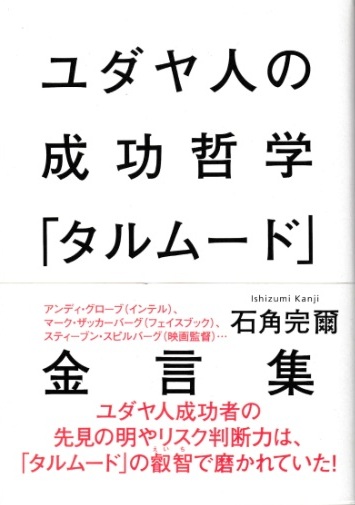
(出典:楽天)
それでは
面白いテーマなので
一緒に勉強していきましょう。
●そもそもタルムードってどんな本?
小話に入る前に
タルムードについて
もう少しだけ
補足させてください。
タルムードは
世界最古の議論集と
言われています。
・日常生活の慣習
・子育て
・日常のいざこざ
・恋愛
こういったあらゆる事柄について
さまざまな人の議論が
まるごとまとめられているんですね。
たとえば私たちも
普段からこんな議論をしていますよね。
・米国集中投資がいいのか
・世界分散がいいのか
・債券は必要なのか
・株式だけでいいのか
・サラリーマンがいいのか
・フリーランスがいいのか
・持ち家か
・賃貸か
こうした議論が1つの書物に
ぎっしり詰め込まれている
イメージです。
しかも
幼い子供から大人まで
あらゆる世代の人が
理解して納得できるように
たくさんの小話が
盛り込まれています。
ユダヤ人の母親は
子供が幼いうちから
この小話を繰り返し読み聞かせて
「あなたならどうする?」
と問いかけるそうです。
そうやって人生で起こりうる
さまざまなトラブルを
乗り越える力を
少しずつ学んでいくわけですね。
これから紹介する小話もぜひ
「自分ならどうするだろう?」
という目線で
読んでみてください。
●難破船と3人の乗客
ある時帆船が嵐に遭って
難破しました。
流れ着いた先は
たくさんのフルーツが実る
無人島。
帆船はこの島で修理をしてから
また出航することになりました。
乗客は3人います。
乗客Aは
船の修理がいつ終わって
出航してしまうかわからないので
「取り残されたら大変だ!」
と考えて
船から一歩も降りませんでした。
嵐で遭難して
何日も空腹が続いていたにもかかわらず
船が出てしまう不安のほうが強くて
空腹をぐっと我慢することにしたのです。
乗客Bは島に降りました。
ただし
船が見える範囲でフルーツを食べ
修理が終わりそうになると
大急ぎで船に戻りました。
満腹になるまでは
食べられませんでしたが
なんとか空腹を満たし
フルーツで
水分も補給できました。
乗客Cは
こう考えました。
「嵐で船がこれだけやられたんだし
そう簡単に修理できないだろうな。」
そして島の奥へ奥へと入っていき
大量のフルーツを手に入れました。
すでに船が見えないところまで
来ていましたが
「まだ大丈夫!」
とフルーツを
たらふく食べる事に専念しました。
ようやくお腹が満たされて
船のところまで戻ると
——船はすでに出航した後。
乗客Cは
完全に取り残されてしまいました。
その後どうなったのか?
一歩も船を降りなかった乗客Aは
栄養失調と脱水症状になってしまい
その後の航海に耐えきれず
亡くなってしまいました。
島に取り残された乗客Cも
無人島から脱出できないまま
そこで一生を終えました。
——これが、3人の乗客のお話です。
●あなたは、どのタイプの乗客ですか?
あなたはA・B・Cの
どのタイプの乗客でしょうか?
勘のいい人は
もう気づいているかもしれませんね。
私が心配しているのは
かなり多くの人が『乗客A』なのではないか
ということです。
不安に心を支配されて
まったく行動を起こせないまま
日に日に状況を悪化させてしまう人たち。
この小話は一体
何を伝えようとしているのか。
そこを次回以降
じっくりお話ししていきます。
〜〜〜つづく〜〜〜
Special Thanks college president Ryo.
 管理人_じっちょ
老後のために、まず投資口座を開いておきましょう。
無料・5分で完了です→【公式】楽天証券
●おまけ
≪≪perplexityちゃんによる文章まとめ≫≫
本記事は、ユダヤ人の成功の背景にある「タルムード」の考え方をもとに、経済的に成功するためのマインドを解説する導入です。タルムードは日常の問題を小話と議論で学ぶ書物で、「自分ならどうするか」を考える力を養います。
例として「難破船と3人の乗客」の話が紹介されます。不安から動けず衰弱するA、適度に行動し生き延びるB、安心しすぎて機会を逃すCという対比から、不安で行動しないことも、リスクを無視することも危険だと示唆しています。
特に現代では、将来不安を抱えながら行動できない「Aタイプ」が多いのではないかと問題提起しています。
Citations:
[1]https://www.kanjifumi.jp/seicho/14432/
[2]https://moneytokokoro.com/nanpasentosannin/
[3]https://iznet.co.jp/wpyamane/ship/
[4]https://ameblo.jp/rakuun22/entry-12626236316.html
[5]https://note.com/ttxll0/n/n7f0fbe04ce62
≪≪Chat-GPTくんによる英訳≫≫
Today’s Topic: The Big Picture
A Story Everyone Can Enjoy—Even Kids!
Today, I’d like to share a short story that anyone who wants to become wealthy should hear.
“The Shipwreck and the Three Passengers”
【Why Are There So Many Successful Jewish People?】
~The Answer May Lie in the Talmud~
Let me ask you something.
What do these five people have in common?
- Steven Spielberg (Film Director)
- Larry Page (Co-founder of Google)
- Mark Zuckerberg (Co-founder of Facebook)
- Paul Krugman (Nobel Prize-winning Economist)
- George Soros (One of the world’s most famous investors)
Did you figure it out?
They are all Jewish.
Jewish people make up only about 0.25% of the world’s population.
Yet they are often said to account for roughly 20% of all Nobel Prize winners.
Their names also appear regularly near the top of the Forbes rich lists.
For generations, Jewish people have been known around the world for being:
- Highly intelligent
- Extremely wealthy
- Exceptionally successful
One reason often given is that many of them have been guided throughout their lives by two important works:
- The Hebrew Bible
- The Talmud
The Talmud is an enormous collection consisting of more than 30 volumes, with each volume being roughly 400 pages long.
Today, I’d like to introduce one famous story from the Talmud and explore the mindset it teaches about achieving financial success.
If you read this story carefully, you may begin to recognize why some people continue clinging to jobs they no longer believe in…
…or why they worry constantly about the future yet never take the first step toward investing.
In other words,
this is a story about how not to become the passenger who dies in a shipwreck.
And don’t worry—
this isn’t about religion.
It’s about money, decision-making, and the way we think.
Today’s discussion is based on a book about the Talmud.
【What Is the Talmud?】
Before we get to the story, here’s a little background.
The Talmud is often described as one of the world’s oldest collections of discussions and debates.
It contains conversations on virtually every aspect of life, including:
- Everyday customs
- Raising children
- Human conflicts
- Love and relationships
Imagine taking countless debates about life and compiling them into one massive collection.
For example, today we debate questions like:
- Should you invest only in U.S. stocks, or diversify globally?
- Do you really need bonds, or are stocks enough?
- Is it better to be an employee or a freelancer?
- Should you buy a home or rent one?
The Talmud is filled with discussions like these.
More importantly, many of its lessons are presented as simple stories so that everyone—from young children to adults—can understand them.
Jewish mothers are said to read these stories to their children from an early age and then ask,
“What would you do?”
By thinking through these situations, children gradually develop the wisdom needed to overcome the many challenges they will face in life.
As you read the following story, I encourage you to ask yourself the same question:
“What would I do?”
【The Shipwreck and the Three Passengers】
One day, a sailing ship was caught in a violent storm and wrecked.
The survivors drifted onto an uninhabited island filled with fruit trees.
The crew decided to repair the ship before setting sail again.
Among the survivors were three passengers.
~Passenger A~
Passenger A thought,
“I have no idea when the repairs will be finished. If I leave the ship and it sails without me, I’ll be stranded.”
So he refused to step off the ship.
Even though he had been starving for days after the storm,
his fear of being left behind was stronger than his hunger.
He endured his hunger and stayed on board.
~Passenger B~
Passenger B went ashore.
However, he stayed close enough to keep the ship in sight.
He ate fruit nearby,
and whenever it looked like the repairs might be finished,
he hurried back to the ship.
He never ate until he was completely full,
but he managed to satisfy his hunger and replenish his water by eating fruit.
~Passenger C~
Passenger C thought differently.
“The ship was badly damaged in the storm. Repairs will probably take a long time.”
Confident that there was plenty of time,
he ventured deeper and deeper into the island.
He found an abundance of delicious fruit.
By now, the ship was completely out of sight.
Still, he thought,
“I’ve got plenty of time.”
He focused entirely on enjoying as much fruit as possible.
Eventually, completely satisfied,
he returned to the shore.
But…
the ship had already sailed.
Passenger C had been left behind.
【What Happened Next?】
Passenger A,
who never left the ship,
became severely malnourished and dehydrated.
When the voyage resumed,
his weakened body could not endure the journey,
and he died.
Passenger C,
who had been left behind,
was never able to escape the deserted island.
He spent the rest of his life there.
And that is the story of the three passengers.
【Which Passenger Are You?】
Which passenger are you?
A?
B?
Or C?
If you’re perceptive,
you may already know the answer.
What concerns me is that
many people today are living like Passenger A.
They are so controlled by fear and uncertainty
that they never take action—
and as a result,
their situation gradually becomes worse.
So what exactly is this story trying to teach us?
We’ll explore that question carefully in the next installment.
Translator’s note: The original Japanese cites statistics such as “about 20% of Nobel Prize winners are Jewish” as part of its narrative. These figures are commonly repeated but depend on the source, methodology, and time period, so they should be treated as approximate rather than definitive.
Special Thanks OpenAI and Perplexity AI, Inc